How to tell if my car is overheating is a question every used car buyer should be able to answer before handing over any money. An engine that has run too hot can suffer warped parts and failed gaskets, and the damage is rarely obvious during a short viewing. At Top Wheels Performance, we believe a pre-purchase car inspection in Dubai is the most reliable way to check the cooling system. This guide explains the warning signs, likely causes and what to check yourself.
Common Signs That a Car Is Overheating
An overheating engine usually gives warnings before serious damage occurs.
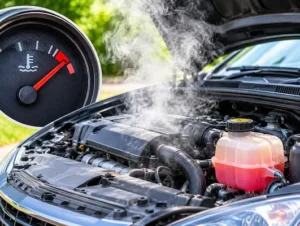
The Temperature Gauge
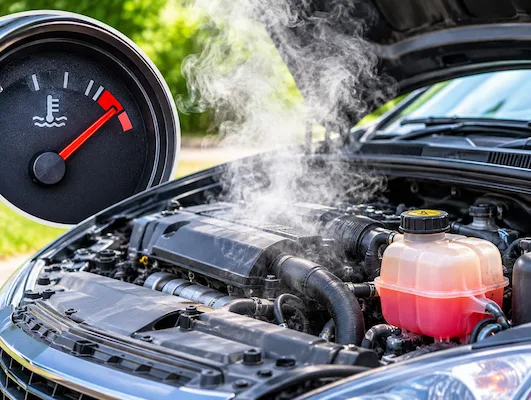
Once the engine is warm, the needle normally rests near the middle and stays there. If it climbs towards the red zone, or sits higher than usual in traffic, the engine is running hotter than designed.
Dashboard Warning Lights
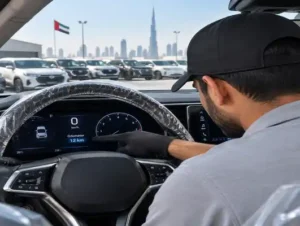
A red coolant temperature symbol means stop safely as soon as possible. Most dashboards briefly light every warning symbol when the ignition is switched on, so a light that never appears during this self-test needs an explanation.
Steam, Smoke and Unusual Smells
Steam or white vapour under the bonnet suggests coolant is boiling or escaping. Coolant often smells sweet, so that scent near the front of the car, or damp, crusty residue around hoses and the radiator, can indicate coolant leakage.
Common Causes of Engine Overheating
Low Coolant Level and Leaks
A low coolant level is the most common cause. Coolant carries heat away from the engine, and a split hose, loose clamp or leaking joint lets it escape. Coolant is not used up in normal driving, so regular top-ups suggest a leak.
Faulty Radiator or Cooling Fan
A blocked or corroded radiator cannot release heat efficiently. The cooling fan matters most in slow traffic, so one that fails to switch on can cause overheating in stop-start conditions, common in Dubai’s summer.
Thermostat and Water Pump Problems
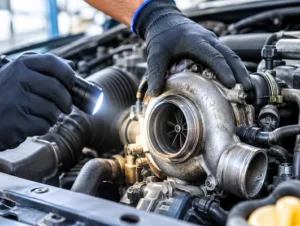
The thermostat controls coolant flow, and one that sticks closed can cause rapid overheating. A failing water pump, which keeps coolant circulating, may leak, whine or leave the engine running hot.
Head Gasket Damage
The head gasket seals the engine block to the cylinder head. When it fails, coolant can enter the cylinders or mix with engine oil. Signs include white exhaust smoke, coolant that drops with no visible leak, and milky deposits under the oil filler cap. Our guide on how to check engine oil shows what healthy oil looks like. Repairs can be expensive, so rule this out early.
How to Check Whether a Used Car Has Overheated Before
These simple checks can reveal warning signs, though none proves a car is sound.
- Ask whether the car has ever overheated, and request records of coolant changes and cooling system repairs.
- With the engine completely cold, check the coolant sits between the minimum and maximum marks and looks clean, not rusty or oily.
- Start from cold. The gauge should rise steadily and the fan should engage when warm.
- Look at the dipstick and oil filler cap for a milky, light-brown residue.
- Test drive in traffic and keep watching the gauge.
Hidden Damage Buyers Often Overlook
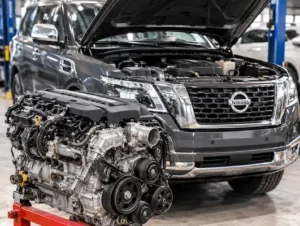
A seller may top up coolant, clear stored fault codes or clean the engine bay before you arrive. Severe overheating can also warp the cylinder head or cause leaks that appear weeks later. Our article on hidden engine problems in used cars shows how a replacement engine can mask bigger issues.
When a Professional Inspection Is Necessary
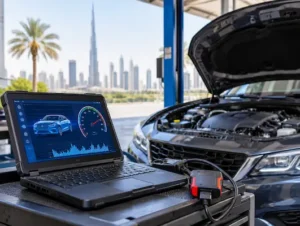
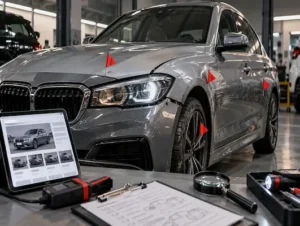
If you notice any sign above, or cannot confirm the car’s history, arrange a used car inspection before paying a deposit. A professional car engine inspection can assess coolant condition and level, hoses, the radiator and visible leaks, while a computer diagnostic test can show stored fault codes linked to engine temperature. Some faults, such as internal head gasket leaks, may need specialist testing, but an inspection helps you decide whether to negotiate or walk away.
What to Do Immediately If a Car Starts Overheating
Safety comes first. If your own car overheats:
- Switch off the air conditioning and turn the heater to maximum, which can draw some heat from the engine.
- Pull over safely and switch off the engine.
- Keep clear of the bonnet and let the engine cool fully, which can take 30 minutes or more.
- Never open the radiator or coolant cap while hot. Pressurised coolant can cause severe scalds.
- Once cool, check the coolant reservoir level. Never pour cold water over a hot engine.
- If the warning returns or you cannot find the cause, call recovery rather than driving on.
Final Thoughts
Overheating is one of the costliest problems a used car can hide, and it often starts with small clues such as a rising gauge, a coolant smell or a low reservoir. Checking the cooling system and the car’s history before you buy can save you from inheriting a damaged engine. Top Wheel Performance can help you arrange a professional inspection; visit our Contact Us page before you commit to a purchase.
Frequently Asked Questions
What is the first sign of an overheating engine?
A rising temperature gauge is usually the first sign, often followed by steam, a sweet coolant smell or a warning light.
Can I keep driving a car that is overheating?
No. Pull over safely and switch off the engine, as driving on can cause severe and costly engine damage.
Can a pre-purchase inspection detect overheating problems?
It can find visible leaks, hose and coolant issues and stored fault codes. Some internal faults may need specialist testing.
How can I spot a possible head gasket problem?
Look for white exhaust smoke, unexplained coolant loss and milky residue under the oil filler cap, then confirm with professional testing.
Is it safe to open the radiator cap on a hot engine?
No. Pressurised coolant can cause severe scalds, so always wait until the engine is fully cool.