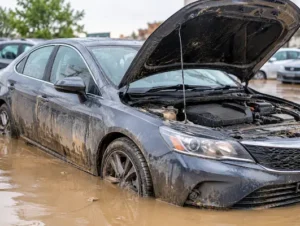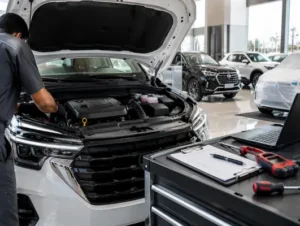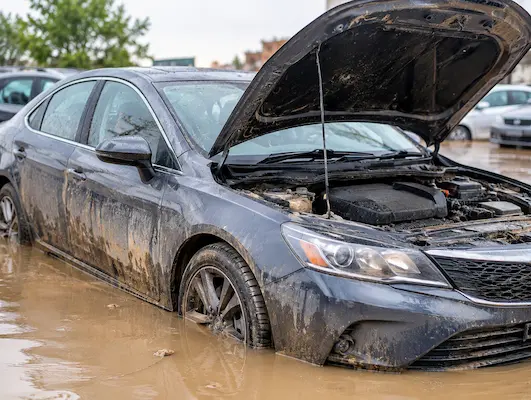
The most common problems with flooded cars include engine failure and electrical problems that build up slowly. Even if the water has dried out, the problems remain long after. The odds of having your car engine flooded in Dubai are low, but never zero.
If luck is not on your side and your car engine gets flooded, the best course of action would be to get a car inspection in Dubai. Top Wheels Performance knows exactly what floodwater does to your engine and why an inspection is absolutely crucial.
A flooded car engine is not a quick and easy fix, because water damage might occur in places you cannot perceive, including connectors, control modules, and underbody seams. Find out more in below.
Common Problems Caused by Floodwater
Floodwater carries silt, oil and, in coastal areas, salt, all of which speed up corrosion. The damage depends on how high the water rose and how long the car sat in it. Corrosion develops over weeks, so a car can seem fine at the time of sale and fail later.
Engine and Transmission Damage
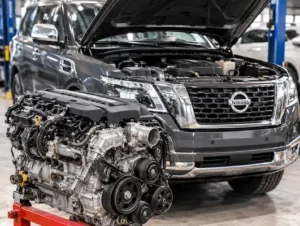
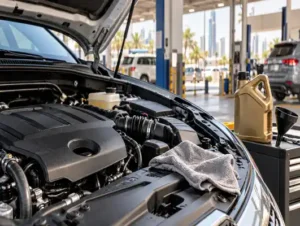
If water enters the engine through the air intake, it can fill the cylinders. Water cannot be compressed, so the engine may suffer bent connecting rods or a cracked block. This is called hydrostatic lock.
Contaminated fluids are another concern. Milky engine oil or degraded transmission fluid can cause poor lubrication, slipping and harsh shifting. A car engine inspection and a car transmission inspection can flag these issues early.
Electrical Problems and Sensor Malfunctions
Moisture can corrode connectors and wiring, causing intermittent faults such as flickering lights or warning lamps that come and go. In many vehicles, control modules sit low in the cabin, where water can reach them.
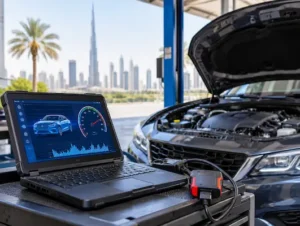
Affected cars may show ABS, airbag or sensor errors, which matter because they relate to safety. A car electrical diagnostic and a car computer diagnostic scan can reveal stored fault codes.
Rust, Corrosion and Underbody Damage
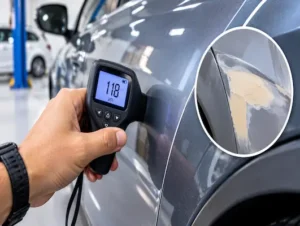
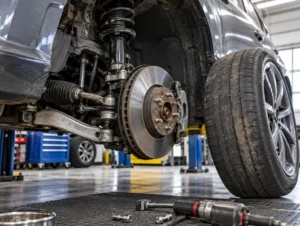
Rust can appear quickly on bare metal, especially after salt or contaminated water. Check seat rails, floor pans, chassis rails, subframes and brake lines.
Light rust on brake discs is normal, so look for widespread corrosion unusual for the car’s age. A car chassis inspection helps assess underbody condition and sediment.
Interior and Air Conditioning Problems
Water soaks into carpet underlay and seat padding, where mold and musty odors can persist even after cleaning. Moisture can also reach the blower motor and evaporator case, causing damp smells or weak airflow.
Because Dubai’s heat makes air conditioning essential, a car AC inspection is a sensible check.
Warning Signs of a Previously Flooded Vehicle
Sellers have every reason to clean a flooded car thoroughly. The U.S. National Highway Traffic Safety Administration (NHTSA) warns that flooded vehicles can develop problems long after the water is gone. No single sign proves flooding, but watch for:
• A musty smell or heavy air freshener
• Silt or water lines in the glove box, trunk or under the dashboard
• Rust on seat rails, pedals or dashboard screws
• Fogging inside headlights or the instrument cluster
• Unrelated electrical faults across several systems
How Professional Car Inspection Reveals Hidden Flood Damage
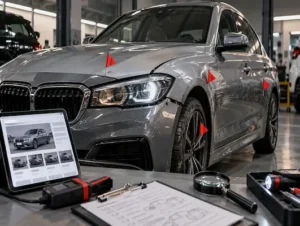
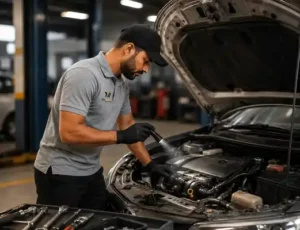
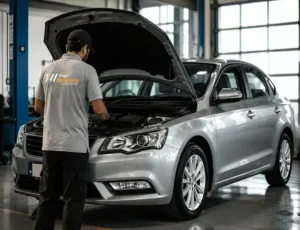
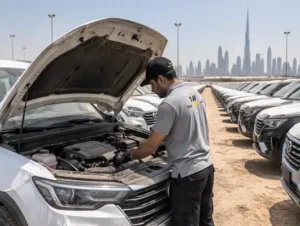
A trained inspector looks beyond appearance: fluid condition, rust patterns, underbody sediment, hidden interior areas and stored fault codes. A pre-purchase inspection at Top Wheel Performance, for instance, includes a flooding and visual rust check, an underbody examination and a computer diagnostic test, with photos of faults in the report.
What an Inspection Cannot Guarantee
No inspection can guarantee every hidden defect will be found, as some damage sits inside sealed components. It works best alongside a vehicle history check and honest answers from the seller.
Why Checking Flood Damage Matters Before Buying a Used Vehicle
After the sale, every repair bill and safety concern is yours. Water can affect the engine, electrics and interior at once, and a flood history can lower resale value.
NHTSA also notes that flooded vehicles can be sold far from where the flooding happened, and in April 2024, heavy rainfall left roads and parking areas under water across the UAE.
Final Thoughts
The worst flood damage is often hidden where you least expect it: inside electrical connectors, beneath carpets, along the chassis and within vehicle fluids. Keep an eye out for warning signs such as unusual odours, silt deposits, unexpected rust, moisture inside lights and electrical faults. Identifying these issues before buying a used car can help protect your safety and budget.
Contact Top Wheel Performance
- Phone / WhatsApp: +971 54 509 5755
- Email: info@twperformance.ae
- Service Coverage: All Over UAE
- Contact Us: https://twperformance.ae/contact-us/
Frequently Asked Questions
Can a flooded car be repaired?
Sometimes, corrosion and electrical faults can return later.
How can I tell if a used car was flooded?
Check for odors, silt, unusual rust and moisture in lights.
Can a clean car still have flood damage?
Yes. Cleaning hides surface evidence, not problems inside connectors or the underbody.
Does an inspection guarantee detection?
No. It flags red flags but cannot promise to find every defect.
What if signs of flooding are found?
Walk away, request specialist testing, or renegotiate.