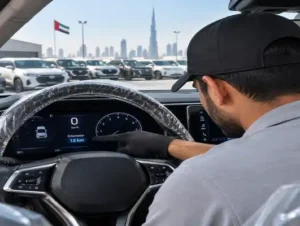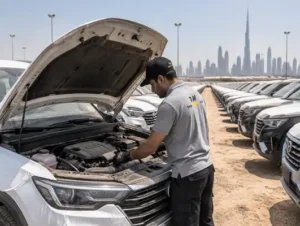
A buyer in Business Bay once had a used SUV lined up, price agreed, deal almost done. A pre-purchase inspection came back with a fail on the brake system: uneven stopping force between the front wheels, a fault invisible on a normal test drive but obvious the moment the car was put on a proper diagnostic rig.
He isn’t alone. Every month, plenty of cars across Dubai come back from a professional inspection with a “fail” or “attention required” verdict, often for issues that would have taken a single afternoon to fix if caught earlier.
If your car just failed an inspection, whether it was for a sale, a purchase, or a general condition check, the good news is this: most failures come down to a short, predictable list of causes. This guide breaks down exactly why cars fail, how to fix each issue fast, and how to walk into your next inspection with confidence instead of guesswork.
Why Did My Car Fail Inspection?
A professional vehicle inspection exists to confirm one thing: is this car genuinely as safe and sound as it looks.
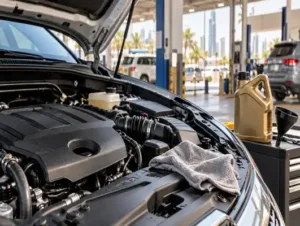
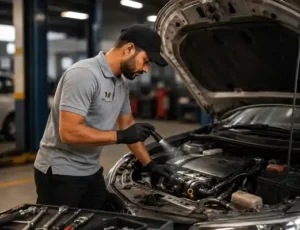
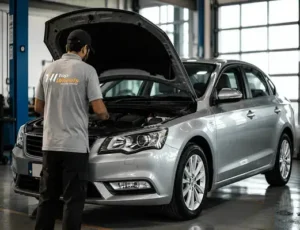
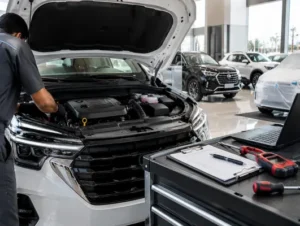
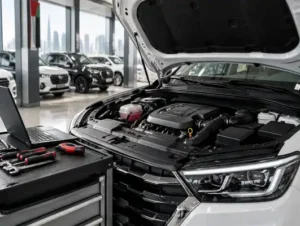
A thorough inspection checks several core systems:
- Brakes and braking balance
- Tires and tread depth
- Lights and signaling
- Suspension and steering
- Engine performance and emissions
- Chassis and body condition
- Interior and electrical systems
- Overall structural integrity
A fail in any single category is enough to flag the car as a risk, even if everything else is in excellent shape.
Top Reasons Cars Fail Inspection
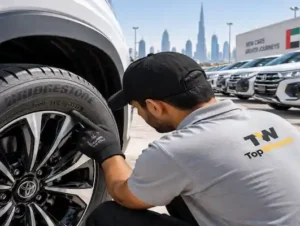
1. Worn or Aged Tires
This is consistently one of the most common reasons for a fail.
- Tread depth below the safe minimum
- Cracks, bulges, or sidewall damage
- Mismatched tire sizes across axles
- Tires older than 5–6 years, even if the tread still looks acceptable
The fix: Replace any tire near or past its age limit, regardless of how much tread remains. Dubai’s heat degrades rubber compounds faster than the tread wears down, so an old tire can fail inspection even with plenty of visible grip left.
2. Brake Problems
A proper inspection tests braking force and balance between wheels, not just whether the car stops.
- Worn brake pads or discs
- Uneven braking force side to side
- Spongy pedal feel from air in the lines or old fluid
The fix: Have your brake pads, discs, and fluid checked by a workshop. Dark or discoloured brake fluid should be flushed, since moisture-contaminated fluid reduces braking performance under heavy use.
3. Lighting Faults
- Burnt-out headlight, brake light, or indicator bulbs
- Misaligned headlights
- Cracked or foggy light lenses
The fix: This is one of the cheapest and fastest fixes on this entire list. A quick bulb check before your inspection can save you an entire re-check.
4. Suspension and Steering Issues
- Worn shocks, springs, or bushings
- Excessive play in the steering wheel before the wheels respond
- Loose or damaged steering components
The fix: Have a workshop inspect suspension travel and steering play, especially if the car feels less stable at speed or on uneven roads.
5. Engine, Emissions, and Diagnostic Faults
- Excessive smoke from the exhaust
- Clogged catalytic converters
- Dirty air filters or faulty oxygen sensors
- Active or stored check engine fault codes
The fix: Run a full OBD diagnostic scan before your inspection. An unresolved fault code, even for something minor, will typically trigger a fail, and it won’t clear until the underlying issue is fixed and confirmed.
6. Interior and Electrical Issues
Faulty power windows, non-functioning AC, worn airbags, or wiring faults are commonly flagged, especially on older or heavily used vehicles.
The fix: Have the electrical system and interior comfort features checked as part of a full diagnostic pass, not just a visual walkaround.
7. Structural or Body Damage
Large dents with sharp edges, damage affecting a door’s structural integrity, repainted panels with inconsistent thickness, or visible chassis corrosion can all trigger a fail. Minor cosmetic scratches and small dents generally will not.
The fix: Address any damage that affects panel alignment, door function, or structural strength. An inspection will tell you whether an issue is purely cosmetic or something that should genuinely concern a buyer.
Common Inspection Failure Reasons at a Glance
| Category | Common Cause | Typical Fix Time |
|---|---|---|
| Tires | Age over 5–6 years, low tread, sidewall damage | Same day |
| Brakes | Worn pads/discs, uneven braking, old fluid | 1–2 days |
| Lights | Burnt bulbs, misalignment | Under an hour |
| Suspension | Worn shocks, steering play | 1–2 days |
| Engine/Emissions | Fault codes, exhaust smoke | 1–3 days |
| Interior/Electrical | Faulty windows, AC, wiring | 1–2 days |
| Body/Chassis | Structural damage, corrosion, resprays | Varies by severity |
What Happens After a Failed Inspection?
If your car fails, a good inspection service gives you a detailed report listing the exact reasons, complete with photos and diagnostic evidence.
Here’s what comes next:
- You choose where to repair it. A pre-purchase or condition inspection isn’t tied to a single workshop, so you can shop around or use your own trusted mechanic.
- Use it as a negotiating tool. If you’re buying, a failed item is leverage to renegotiate the price or ask the seller to fix it before the deal closes.
- Get a re-inspection once repairs are done. A follow-up check confirms the fix actually resolved the issue rather than just masking it.
- Prioritize by severity. Safety-related fails (brakes, steering, structural) should be addressed before cosmetic or minor items.
- Keep the report. It’s useful documentation if you’re selling the car later or disputing a claim with a previous owner.
How to Avoid a Failed Inspection Next Time
The smartest move before buying, selling, or renewing insurance on a vehicle is a pre-check that catches issues before they become a dealbreaker.
- Book a professional car inspection in Dubai well before you need the report, not the day before a deal is meant to close
- Run a full diagnostic scan to catch fault codes that don’t show up as a dashboard warning light
- Have brakes, tires, lights, and suspension checked together, since these account for the majority of failures
- Ask for a report with photos and a clear pass/attention/fail rating, not just a verbal summary
A full car inspection in Dubai covers all of these core systems and dozens more, so issues get caught and fixed on your schedule instead of surprising you later.
Buying a Used Car? Failed Inspections Are a Warning Sign
If you’re evaluating a used car and the seller mentions it “just needs a few things fixed,” treat that as a flag worth investigating further, not a minor detail.
As we’ve covered in our guide on what to check before buying a car, a car that struggles to pass a basic safety and condition check often has deeper mechanical issues sitting just beneath the surface. A used car inspection in Dubai before you buy tells you whether you’re looking at a simple fix or a much bigger problem.
Frequently Asked Questions
Does a failed inspection mean my car is unsafe to drive?
Not always. Some fails are for minor or cosmetic issues, while others, like brake or steering faults, genuinely affect safety and should be treated urgently.
Can I negotiate the price if a pre-purchase inspection turns up failures?
Yes. A detailed report with photos and severity ratings is one of the strongest tools you have to renegotiate price or request repairs before finalizing a used-car purchase.
Will minor scratches or small dents cause a failed inspection?
Generally no. A proper inspection focuses on safety and structural integrity rather than cosmetic condition, unless the damage affects a door’s function or the vehicle’s structure.
How long does it take to fix the issues found in a failed inspection?
Most common issues, tires, lights, brakes, are fixable within a day or two. Structural or major mechanical faults can take longer depending on severity.
How can I reduce the chance of failing next time?
Book a full inspection early, before a sale, purchase, or renewal deadline. A pre-check on brakes, tires, lights, suspension, and diagnostics catches most failure causes in advance.
Final Thoughts
A failed inspection isn’t the end of the road, it’s simply a checklist telling you exactly what to fix. Most causes are predictable, fixable within a day or two, and far less stressful the second time around if you know what to look for.
If you’d rather catch these issues before they cost you money or a deal, book a professional car inspection in Dubai and go into your next sale or purchase already knowing exactly where the car stands.